I Spent $500 on an AI-Generated ‘Van Gogh’—Then the Scandal Hit
Last winter, I bought what I thought was a rare digital sketch from an emerging artist—only to discover it was entirely AI-generated. The ‘artist’ had fed Van Gogh’s entire catalog into MidJourney and sold the outputs as originals. That moment changed how I view AI art forever. Right now, we’re at the wild west stage of this revolution—where a tweet can spark a new visual style and lawsuits over AI training data make headlines weekly. But beneath the chaos, three tectonic shifts are emerging that’ll redefine creativity itself.
The Current State: More Than Just Pretty Pictures
Platforms like MidJourney and Stable Diffusion aren’t just tools—they’re cultural phenomena. I remember testing DALL-E 2’s beta last year and watching our team gasp as it reimagined our product photos as cyberpunk magazine covers in seconds. But today’s AI art goes far beyond parlor tricks. At a recent gallery show in Berlin, I saw an entire exhibition where AI reinterpreted visitors’ childhood memories in real-time based on voice inputs. The line between tool and collaborator is blurring fast.
Pro tip: When using AI art tools professionally, always generate 3-5x more variations than you need. The first outputs are rarely the most interesting—AI often ‘discovers’ better ideas around iteration 15.
Tomorrow’s Trends (That Are Already Here)
1. Style Alchemy Is Becoming Child’s Play
Last month, I watched a 12-year-old recreate Picasso’s Blue Period—but with sneakers—using nothing but a text prompt in Leonardo.AI. We’re entering an era where any visual language can be remixed instantly. At Clairlook, we’ve found product photographers now use phrases like “make it feel like a 1970s jazz album cover” instead of technical lighting terms.
2. The Rise of the ‘AI Art Director’
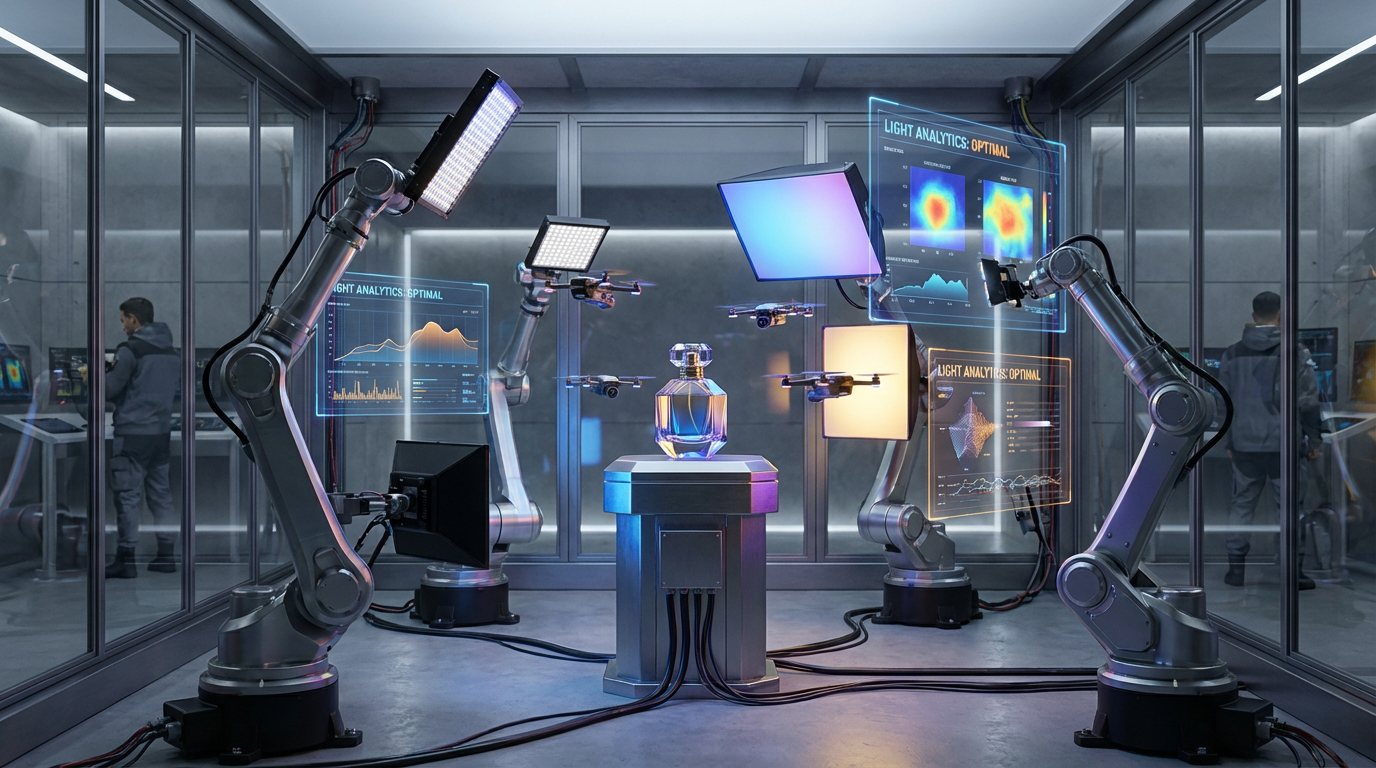
Tools like Runway ML now let you steer generations in real-time through interactive sliders. During a recent client project, we spent hours tweaking the ‘chaos’ parameter to get the perfect balance between structured product shots and abstract backgrounds. This isn’t just generation—it’s dialogue.
The Ethical Quicksand Beneath the Innovation
When a major brand used AI to mimic a living artist’s style for an ad campaign last quarter, it sparked industry-wide protests. I’ve had heated debates with photographer friends who argue AI tools are essentially ‘style laundering.’ The core dilemma? Current copyright law treats training data like a library book—once read (or scraped), the output is ‘new.’ But when I fed an AI tool 300 shots from my own portfolio, seeing it replicate my lighting signature felt deeply unsettling.
What I’ve learned: Always document your AI art process. For commercial work, we now keep logs of every prompt, seed number, and manual edit—it’s becoming an expected part of deliverables.
Practical Survival Tips for the AI Art Gold Rush
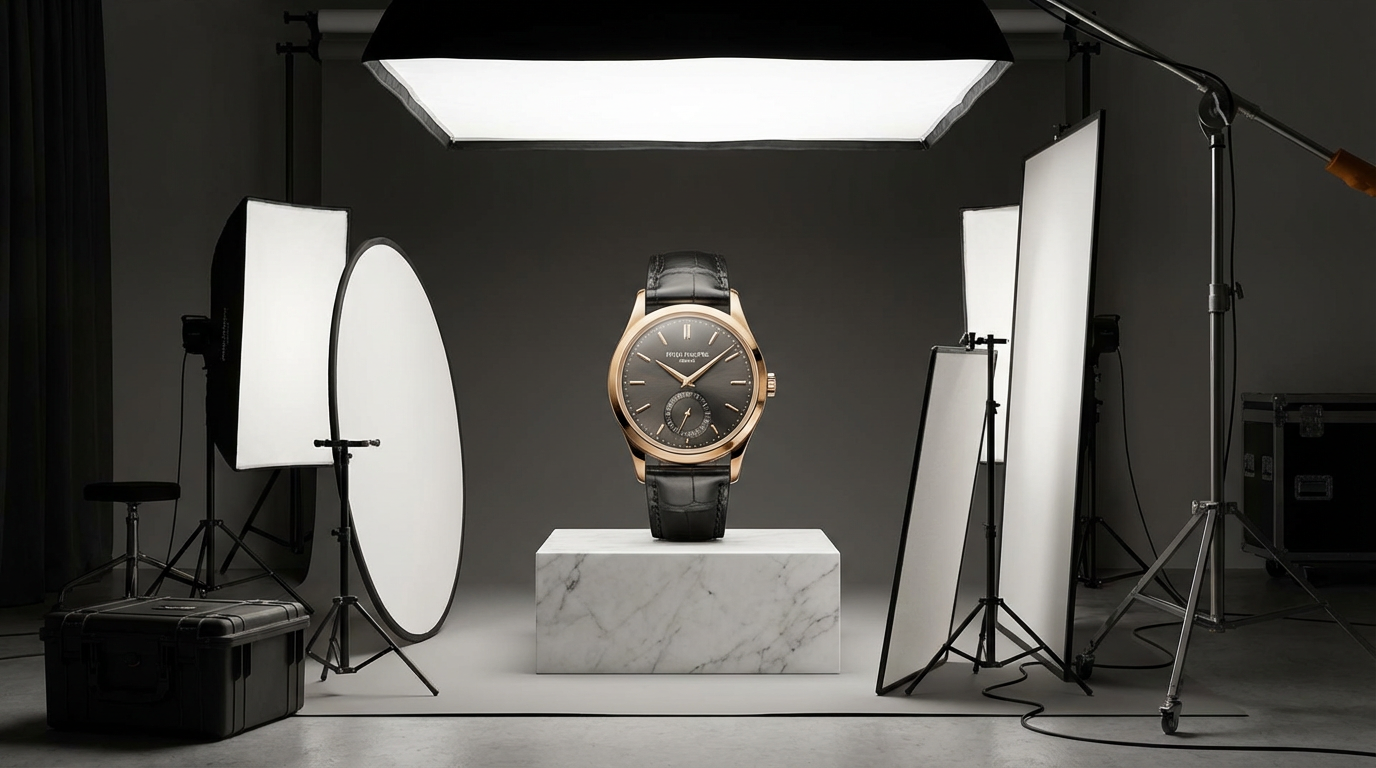
1. Watermark your inputs: When sharing AI-assisted work, I always mention the human inputs (e.g., “Base photo shot by me, AI-enhanced backgrounds”). Transparency builds trust. 2. Treat AI like a junior designer: The best results come from giving clear creative direction, not vague commands. I structure prompts like I’m briefing a talented but literal-minded intern. 3. Develop hybrid workflows: One of our top-performing product images last quarter combined my manual lighting setup with AI-generated lifestyle contexts. The human-AI handoff is where magic happens.
Where Do We Go From Here?
The future isn’t humans versus AI—it’s humans wielding AI with intention. At Clairlook, we’re betting on tools that amplify (not replace) creative vision—like our new AI background generator that suggests contexts based on your existing product shots. Because here’s the truth no tech bro will tell you: AI art at its best doesn’t feel machine-made. It feels like you, unleashed. So experiment fearlessly, document obsessively, and remember—the next great artistic movement might begin with your next prompt.
Comments (0)
Please sign in to leave a comment.