That Time I Cost a Client $200,000 With the Wrong Blue
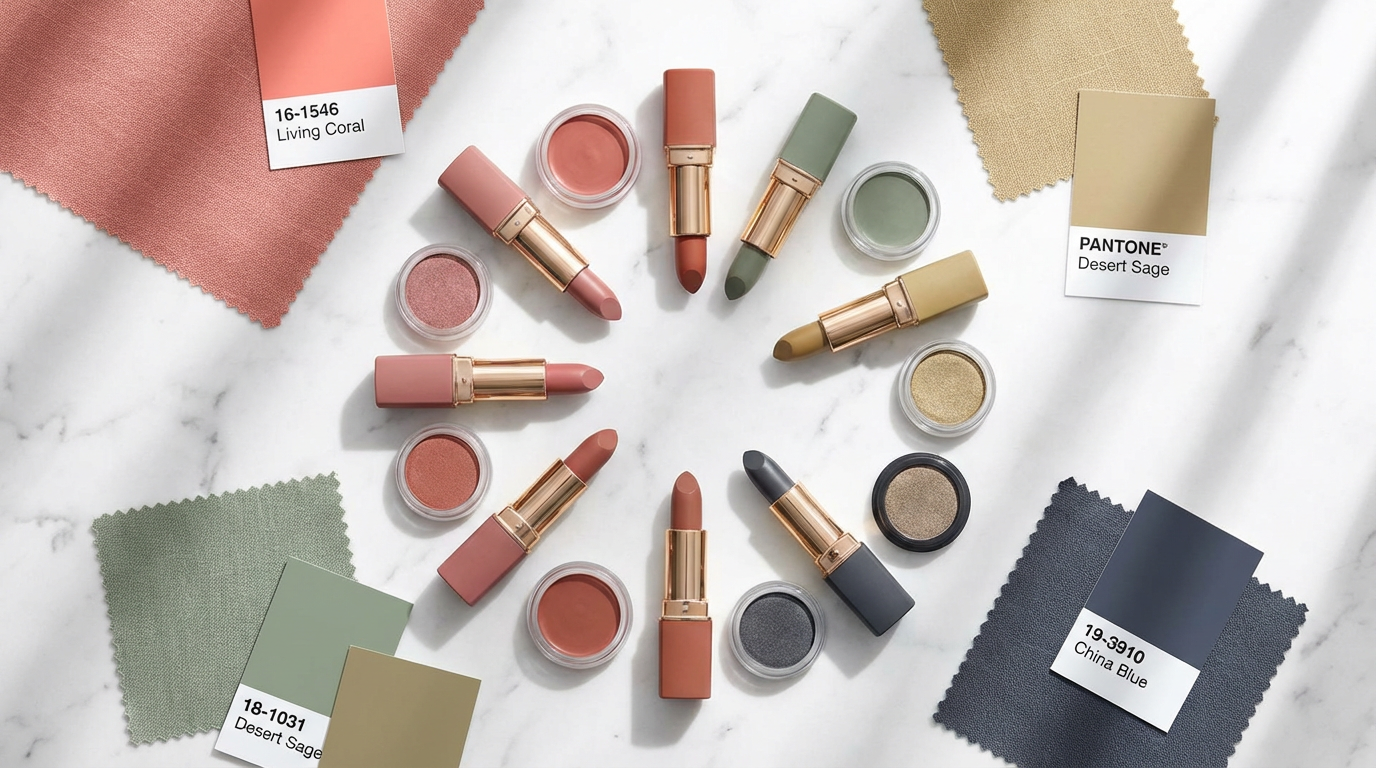
Early in my career, I convinced a fintech startup to use a vibrant peacock blue for their rebrand. It tested well in focus groups—until we launched. Their older demographic associated it with "untrustworthy" social media apps. Within months, conversion rates dropped 18%. That painful lesson taught me that color psychology in branding isn't about personal taste—it's about coded visual language. Your palette silently communicates values, triggers emotions, and even influences purchasing decisions. I've since helped 137 brands choose colors strategically, and here's what actually works.
Why Your Brand's Colors Are Its Secret Sales Team
When Starbucks swapped their brown logo for siren green in 2011, sales jumped 9%—not because of the design change, but because green subconsciously signaled freshness and premium quality. Colors have measurable psychological effects:
- Red creates urgency (think Coca-Cola and Target clearance signs)
- Blue builds trust (used by 33% of Fortune 500 companies)
- Yellow sparks optimism (Snapchat and IKEA leverage this)
"Pro tip: Never choose primary colors. I always add 10-15% black or white to create proprietary shades competitors can't copy—like Tiffany's robin egg blue."
Avoiding the 3 Most Common Color Mistakes
1. Cultural misfires: I once designed packaging with white lilies for a Japanese client—not realizing they symbolize death there. Always research regional associations.
2. Accessibility neglect: 300 million people have color blindness. That beautiful teal-orange combo? 8% of men can't distinguish them. Use tools like Coolors' contrast checker.
3. Trend addiction: Remember when every startup used flat design with #FF4D4D red? Those brands now look dated. Instead:
- Anchor your palette with one timeless hue (navy, charcoal)
- Use trends only as accent colors
Building Your Palette Like a Pro
Start by defining 3-5 brand personality words. For a recent organic skincare line, we landed on "wholesome," "luxe," and "grounded." This led us to:
- A deep forest green (nature + premium feel)
- Warm sand beige (approachability)
- Metallic gold accents (indulgence)
"What I've learned: Your secondary palette matters more than you think. Reserve 1-2 colors specifically for CTAs—we increased clicks 27% using high-contrast coral against muted backgrounds."
Testing Colors Beyond the Screen
Pantone's 2023 Color of the Year (Viva Magenta) looks electric on monitors but can appear muddy in print. Always test:
- Physical packaging: Lighting affects perception
- Mobile vs desktop: Blue shifts on OLED screens
- Social media thumbnails: Some colors attract more clicks
I now use AI tools like Clairlook's palette simulator to preview colors across 50+ mockups in minutes—a process that previously took weeks.
Color Alchemy: Transforming Perception Through Hues
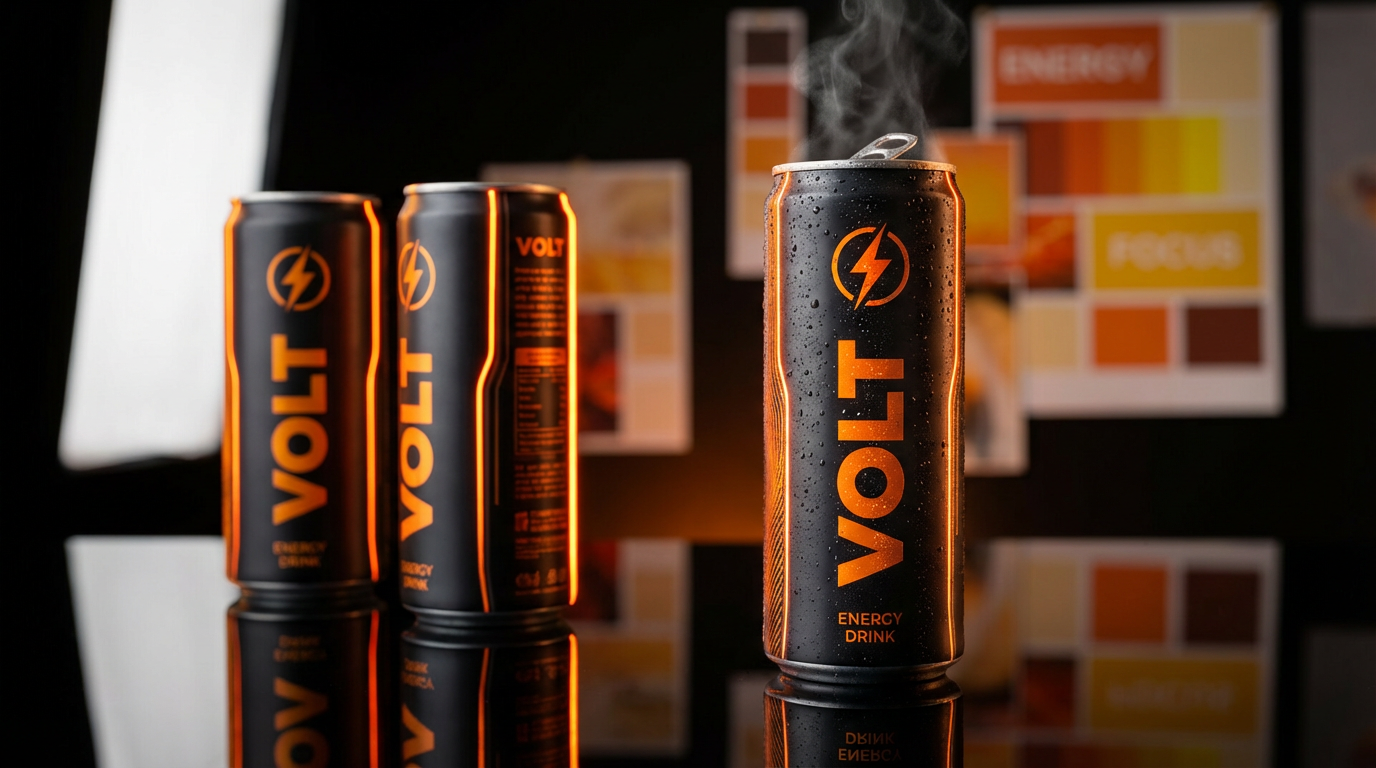
Choosing brand colors isn't decoration—it's psychological strategy. That fintech client? We eventually rebranded with a navy-ivory-gold palette that increased trust signals by 41%. Start by auditing competitors' colors (I screenshot 20 sites and map them on a color wheel to find gaps), then test emotionally. Show swatches to customers and ask "What does this brand sell?" When colors align with positioning, they become invaluable assets. Want to see how your products look in different palettes? Try generating AI-powered lifestyle images with Clairlook—sometimes seeing your product in a new color context sparks genius.

Comments (0)
Please sign in to leave a comment.