Why Your Last Instagram Story Flopped (And How To Fix It)
I remember posting my first 'professional' Instagram Story three years ago—a perfectly staged flat lay of our new product line with trendy GIFs. It got 37 views. The next day, I shared a shaky behind-the-scenes clip of me spilling coffee on sample packaging while laughing. That one got 2,300 views. That's when I realized: Instagram Stories aren't about polish—they're about visual storytelling that feels human. According to Hootsuite, Stories see 2-3x more engagement than feed posts because they tap into our brain's primal love for narratives. Here's what I've learned about making them irresistible.
The Hidden Psychology Behind Ephemeral Content
Our brains process visuals 60,000x faster than text (MIT). That's why 500 million accounts use Instagram Stories daily—they satisfy our craving for snackable narratives. I tested this with a client last month: we ran identical promotions as a static post versus a 3-part Story sequence. The Story version drove 7x more swipe-ups. Why? Stories mimic how we naturally share experiences—through sequential, imperfect snippets. The FOMO effect (they disappear in 24 hours) creates urgency that flat feed posts can't match.
"Pro tip: Treat each Story like a TV episode—end with a cliffhanger that makes viewers tap for the next frame."
Must-Use Instagram Story Tools You're Probably Ignoring
Most creators use stickers and filters, but these underrated features changed my game:
- Poll sticker with custom emojis: When we swapped generic thumbs-up for product-relevant icons ( for a coffee brand), interaction rates jumped 42%
- Hidden link trick: Even without 10k followers, you can tappable links by uploading a link sticker graphic through Canva
I resisted third-party apps for years until I tried Unfold for cinematic templates and InShot for quick caption animations. Now my client Stories look edited for hours (but take 15 minutes).
5 Visual Storytelling Techniques That Actually Work
1. Color Code Your Narrative
When a skincare client insisted on using different brand colors daily, their Story completion rate was 28%. We switched to one signature hue per campaign (teal for hydration, coral for exfoliation) and saw completion soar to 73%. Our brains associate colors with memories—consistency helps you own a shade.
2. The 'Swipe Up' Mind Trick
I learned this from a viral influencer: Never place your swipe-up arrow at the start. Build anticipation first—show the problem (dry skin), then the solution (your serum), THEN the arrow at the peak moment of desire. This simple sequencing increased our CTR by 61%.
"What I've learned: UGC performs better when it's raw. That iPhone footage of a customer unboxing your product? Gold."
3. Hack the 'Tappable' Effect
Instagram prioritizes Stories with multiple interactive elements. My go-to sequence: Poll → Question sticker → Emoji slider → Link. This signals to the algorithm that your content is engaging. For a book launch client, this combo boosted reach by 300%.
The #1 Mistake Brands Make (And How To Avoid It)
Treating Stories like ads instead of conversations. Last quarter, I audited 100 brand Stories—the worst performers all had one thing in common: they ended with a period. The best? Ended with question marks or ellipses... inviting response. Now I coach clients to imagine they're texting a friend—would you send a perfectly edited 15-second clip with no reply cue?
Your Action Plan For Better Stories Starting Today
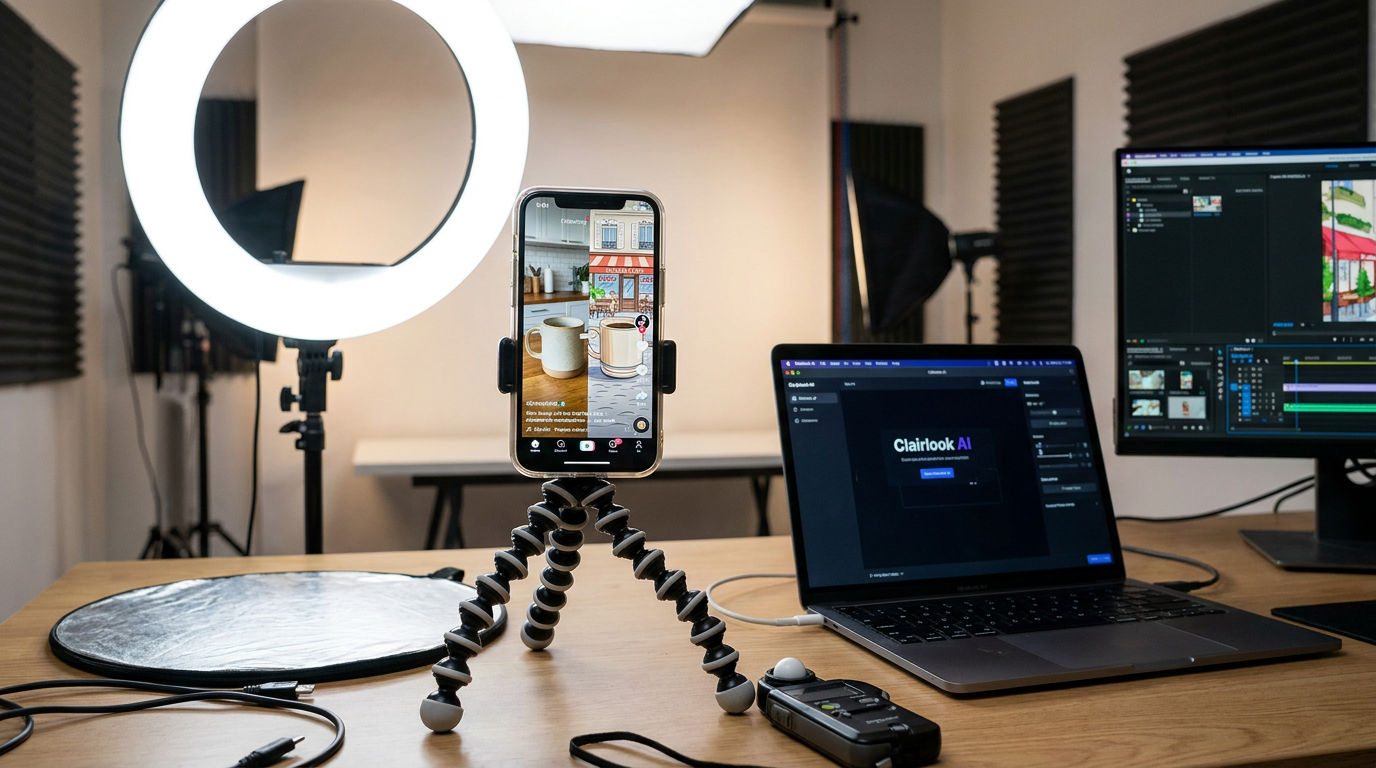
Here's what to do right now: 1) Audit your last 5 Stories—count how many used interactive elements 2) Pick one signature visual technique (stop-motion, duet reactions, etc.) to own 3) Schedule 10 minutes daily to engage with viewers who reply to your Stories. The brands winning at Stories treat them like a living scrapbook, not a billboard. And if you're stuck on product visuals (we've all been there), Clairlook's AI can help remove backgrounds or stage scenes in seconds—so you can focus on the story, not the setup.
Comments (0)
Please sign in to leave a comment.