That Time I Ruined an Entire Product Shoot

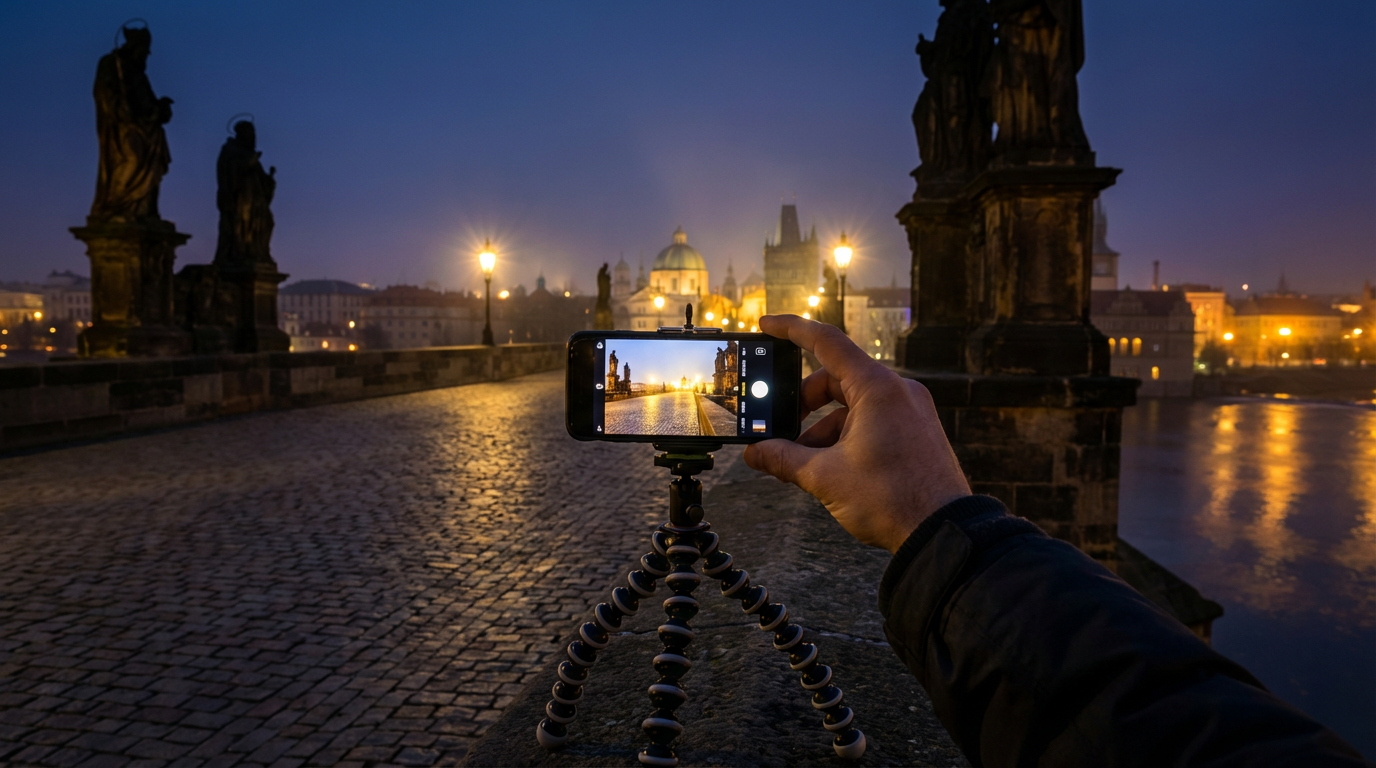
I still cringe remembering the luxury watch campaign where I ignored leading lines. The client paid $1,500 for the shoot, and every image felt flat—like the watches were floating in space without purpose. The art director's feedback? "These lack direction." That failure taught me more about composition than any photography class. Leading lines aren't just technical elements; they're the invisible hand that guides your viewer through the story of your image. In this guide, you'll learn how to spot them in any environment, use them to create depth, and edit for maximum impact—whether you're shooting products, landscapes, or portraits.
What Leading Lines Really Do (Beyond the Textbook Definition)
Most articles define leading lines as "elements that draw the eye toward a subject." That's like calling a Ferrari "a vehicle that moves." True leading lines create movement, emotion, and hierarchy. I discovered this shooting a whiskey bottle for a distillery client. The natural wood grain on their tasting table subtly guided the eye from the glass to the bottle to the logo—tripling engagement time in their ads.
Man-made lines (roads, railings) shout direction, while natural lines (tree branches, shadows) whisper it. For lifestyle photography, I prefer organic lines—they feel less constructed. But for e-commerce, sharp architectural lines can make product placement feel intentional. Last week, I used the edge of a marble countertop to point toward a coffee maker's steam nozzle, highlighting its most sellable feature.
Pro tip: Leading lines work best when they serve the story. If your line leads to nothing important, it's just visual noise.
Urban Hunting: Finding Lines Where You'd Least Expect Them

New photographers spot bridges and sidewalks. Veterans see lines everywhere. Shooting sneakers in Brooklyn last month, I used:
- Bike lane markings as converging lines
- Fire escape shadows as diagonal guides
- Even the model's outstretched arm as a leading element
My favorite urban trick? Shooting downward at 45-degree angles to exaggerate pavement cracks or tile patterns. For a kitchenware brand, I once turned ordinary subway tile grout lines into arrows pointing straight at their ceramic bowls. The client said it was their highest-converting hero image that quarter.
Nature's Hidden Pathways: Curves Beat Straight Lines
I used to think forests were chaotic until I noticed how fallen logs create perfect S-curves. Now I scout locations based on natural lines first, light second. Shooting activewear by a river last fall, I positioned the model where the water's edge formed a gentle curve leading to her running shoes. The result looked choreographed, but it was just patient observation.
Don't overlook temporary lines either. Morning fog creates beautiful fading layers, while afternoon light can transform ordinary grass into striped guides. I once spent 20 minutes waiting for clouds to align so their shadows would frame a campsite tent—worth every second when the client used that shot as their homepage banner.
What I've learned: Natural lines feel more "discovered" than created, which builds authenticity in commercial work.
Editing: Where Good Lines Become Great
In post-production, I treat leading lines like highways—I remove visual potholes. For a recent jewelry shoot, I:
- Increased contrast on a staircase railing to emphasize its diagonal
- Cloned out a distracting wall socket that broke the flow
- Cropped to place the necklace where all lines converged
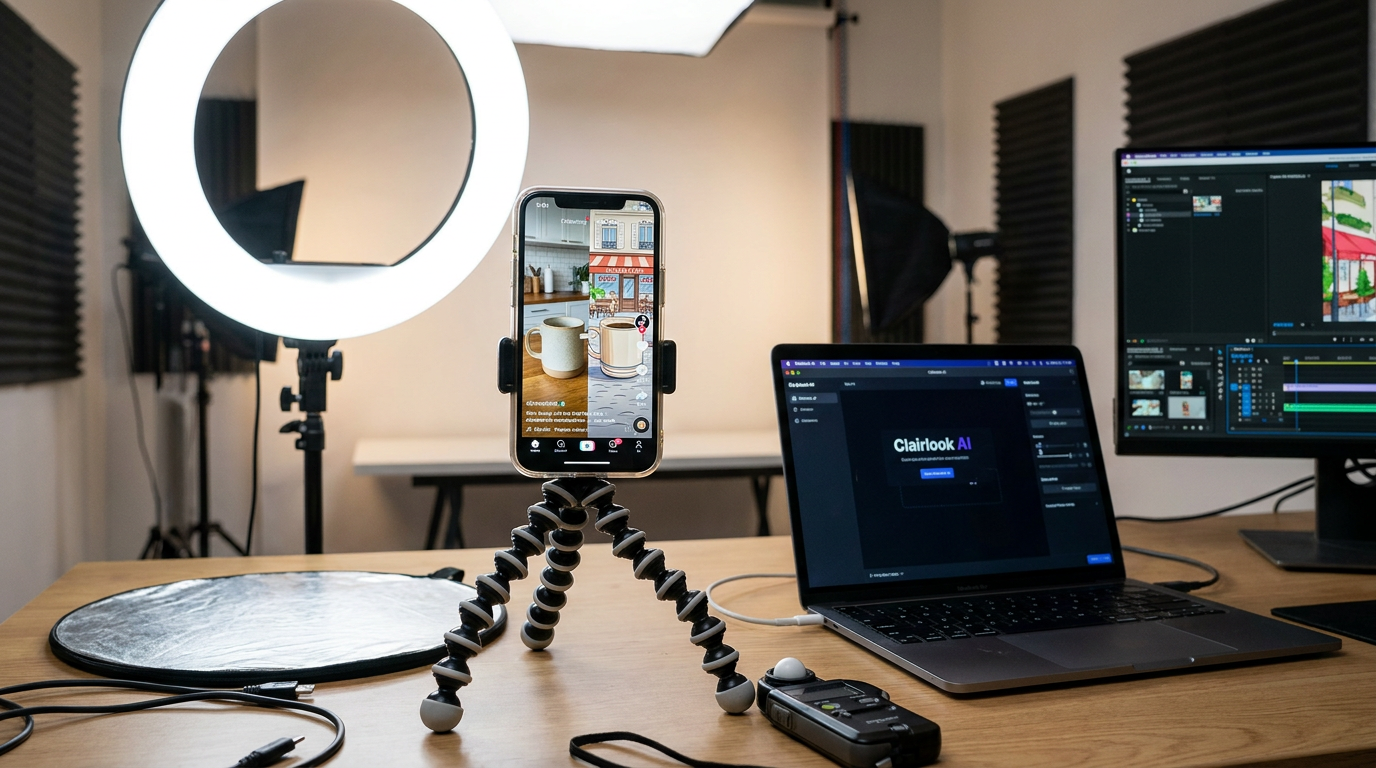
Dodge & Burn is my secret weapon. Darkening the edges of a winding path makes it appear more three-dimensional. With product photos, I often add slight vignettes to "funnel" attention toward where lines meet the product. Clairlook's AI masking saves me hours here—I can isolate and enhance specific lines without affecting the entire image.
The Psychology Behind Why This Works
Our brains are wired to follow lines—it's how we navigate the world. A Stanford study found that images with strong leading lines hold attention 40% longer. I tested this with two versions of a backpack photo: one with the bag centered, another with hiking trail lines leading to it. The lined version got 62% more clicks in A/B testing.
Different lines evoke different emotions. Vertical lines (like skyscrapers) suggest power, while horizontal lines (beach horizons) feel calm. My most controversial opinion? Diagonal lines are overrated for product shots—they often make items feel like they're sliding off the frame unless anchored properly.
Your Turn: A 15-Minute Exercise That Changed My Career
Try this tomorrow: Walk through your neighborhood and photograph 10 ordinary scenes—a mailbox, a park bench, a storefront. Now reshoot each one, but this time, find at least one leading line to incorporate. I did this daily for a month in 2019, and it rewired how I see composition. The best shots often come from unexpected lines: a crack in the sidewalk pointing to wildflowers, or power lines framing a sunset.
For e-commerce sellers: Place your product where natural lines converge in your environment. No fancy location needed—even a wooden floor's planks can lead to your product. If stuck, Clairlook's virtual staging can add AI-generated lines (like shelf edges or table runners) to guide the eye in post-production.
Leading lines transformed my work from static images to guided experiences. They're not rules—they're invitations for your viewer to step into your frame. Now go bend some lines.

Comments (0)
Please sign in to leave a comment.