The Day I Realized My Photos Were Suffocating
I'll never forget the gallery critique that changed everything. After proudly displaying what I thought was my best portrait series, the curator tilted her head and said, "Your subjects feel like they're gasping for air." That stung—until I saw what she meant. Every inch of my frames was crammed with props, busy backgrounds, and unnecessary details. That afternoon, I discovered the magic of negative space in photography. It's not just empty area—it's breathing room that gives your subject power. And when I started applying this to product shoots for my e-commerce clients, conversion rates jumped by 30% almost overnight.
Defining Negative Space: More Than Just Emptiness
Negative space refers to the areas surrounding your main subject—the "empty" zones that aren't the focal point. But here's what most beginners miss: this space is never truly empty. It's active visual territory that shapes how viewers interpret your subject. I think of it like the silence between musical notes—what's not there defines what is.
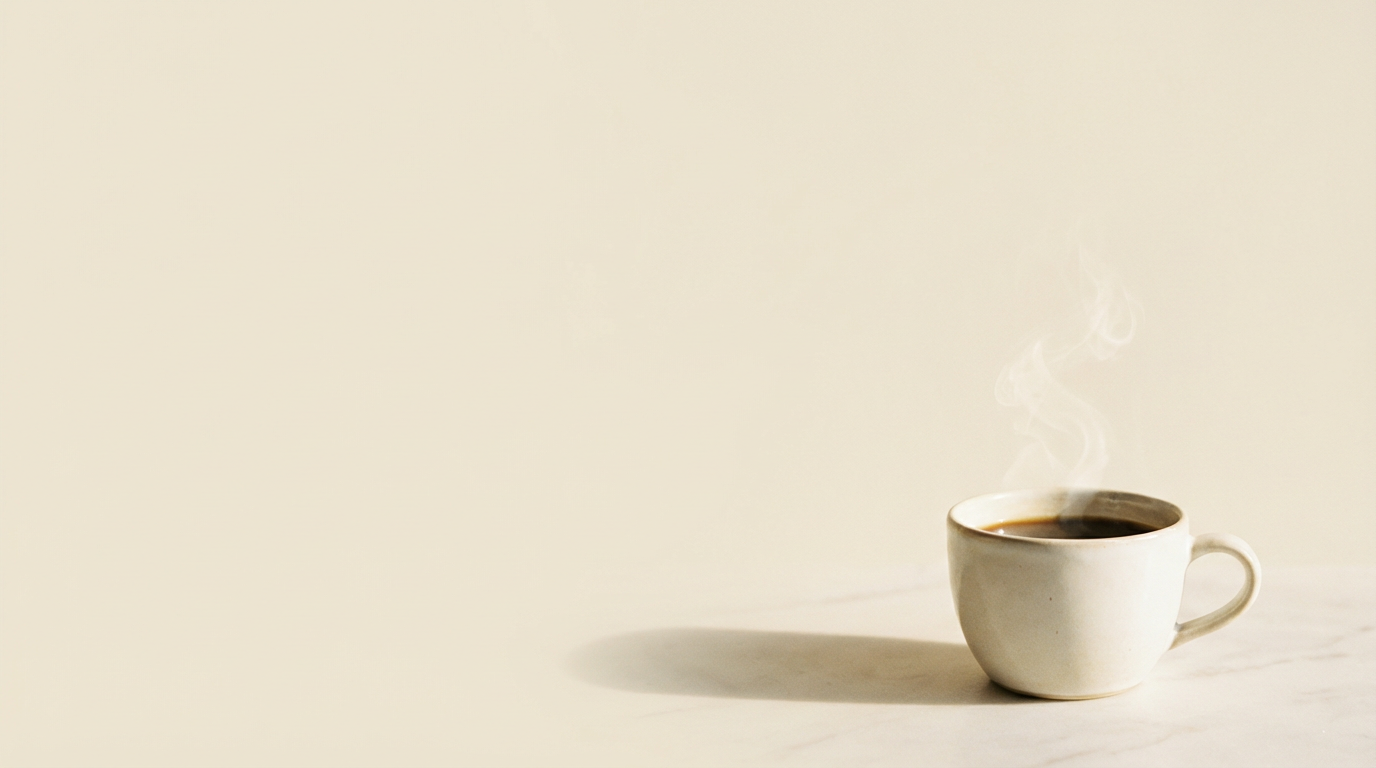
During a coffee shoot last spring, I experimented by moving a cup from the center to the far right, leaving 70% of the frame as a creamy beige backdrop. The result? Suddenly, viewers noticed the delicate steam swirls they'd previously overlooked. That's the psychological power of negative space—it forces attention where you want it.
"Pro tip: Train your eye by studying movie stills. Wes Anderson and Sofia Coppola are masters of using negative space to create mood."
How to Capture Negative Space That Doesn't Feel Accidental
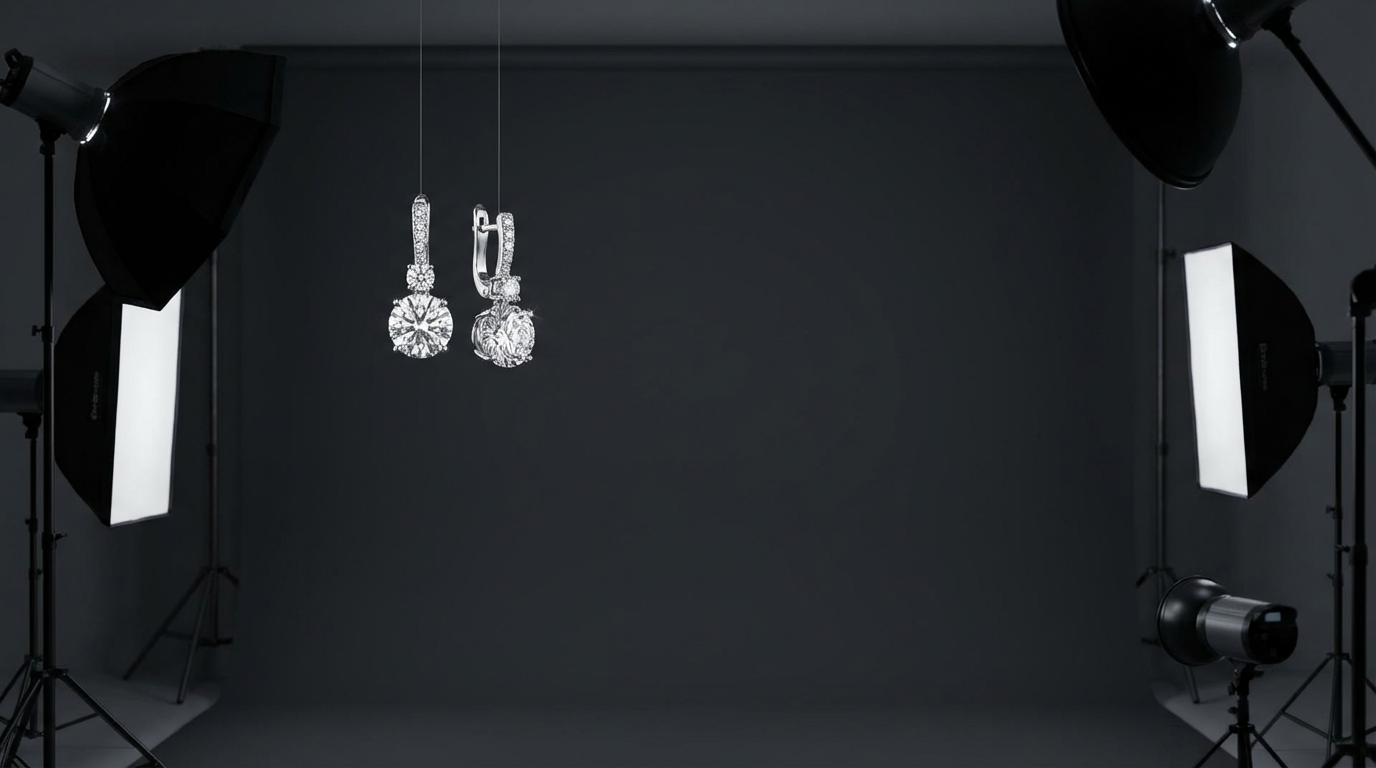
The biggest mistake I see? Photographers leave "empty" areas by default rather than design. Early in my career, I ruined a jewelry shoot by using a cluttered desk as negative space—the scattered papers made the earrings feel lost rather than highlighted. Now I approach negative space intentionally:
- Seek simplicity: Shoot against plain walls, skies, or fabrics. For food photography, I keep tabletops bare except for strategic crumbs.
- Use the rule of thirds differently: Place your subject on one intersection point, then let the opposite three quadrants breathe.
- Go monochrome: Removing color competition helps negative space read more clearly, as I learned shooting black-and-white ceramics.
Last winter, I challenged myself to shoot an entire product catalog using only negative space compositions. The client's sales increased—their items finally had room to "speak."
Negative Space Across Photography Genres
Portraits That Whisper
For engagement photos last June, I positioned the couple against a vast wheat field, their figures occupying just 20% of the frame. The emptiness amplified their emotional connection—viewers' eyes couldn't escape their intertwined hands. This works especially well with:
- Profile shots where gaze direction leads into space
- High-contrast silhouettes against bright backgrounds
- Deliberate shadow placement to create "implied" negative space
Product Photography That Sells
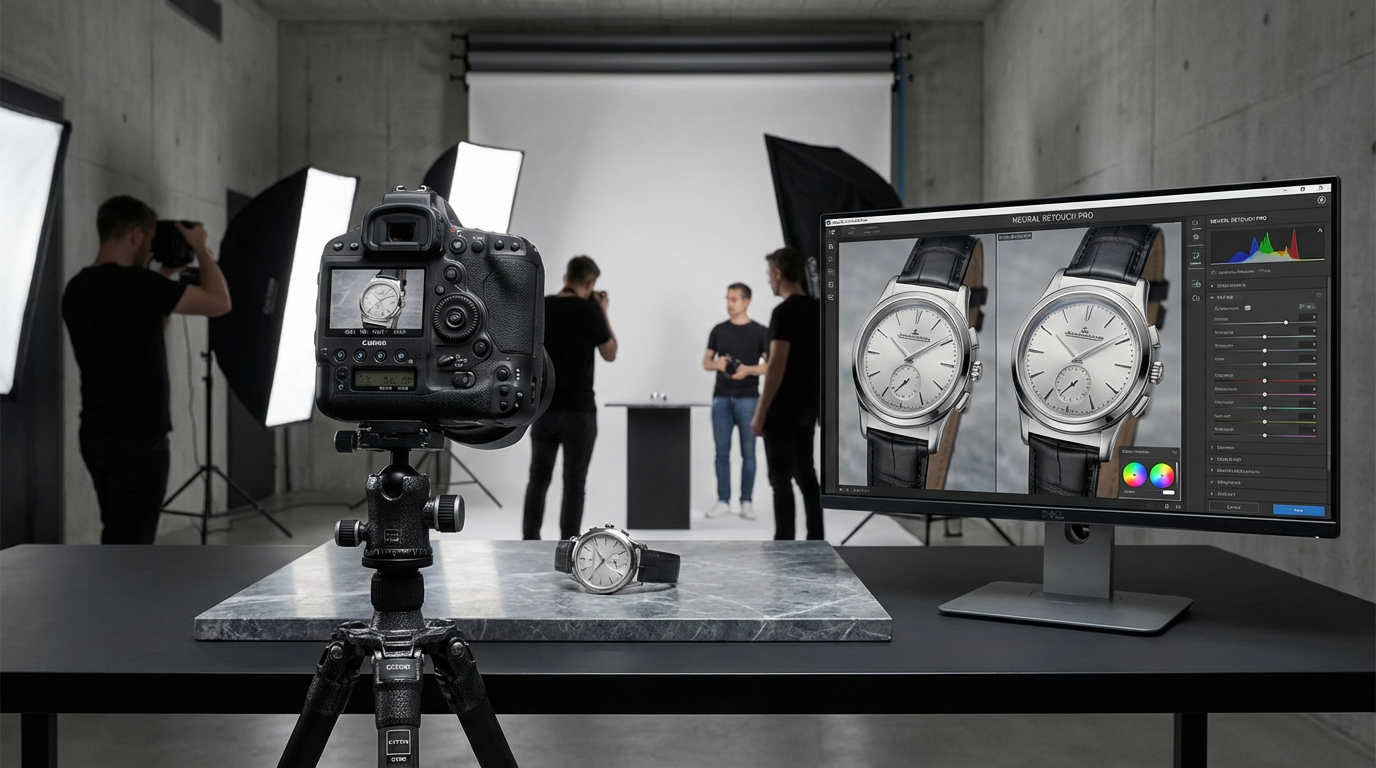
When Clairlook's AI background removal tool erased the chaotic backdrop from a client's handbag photos, something fascinating happened. The negative space we added made the product feel premium—like it deserved its own spotlight. I now use this principle for all e-commerce work:
1. Isolate the product with at least 60% clean space
2. Use negative space to imply scale (a tiny watch in a sea of white)
3. Let emptiness suggest luxury (perfume bottles with vast marble countertops)
"What I've learned: Negative space isn't about removing things—it's about removing distractions. Sometimes one less prop is worth ten more lighting setups."
Breaking the "Rules" Creatively
After mastering negative space basics, I started playing with intentional tension. For a rebellious fashion line, I placed the model cramped against one edge, leaving awkward emptiness elsewhere—it created edgy discomfort that matched the brand. Other experimental techniques:
- Filled negative space: Using out-of-focus foreground objects as "active" emptiness
- Color blocking: Making negative space a bold solid color rather than neutral
- Text overlay: Turning empty areas into design elements for social media assets
During a brewery shoot, we positioned beer bottles to form a triangle pointing into negative space—leading eyes toward the tap handles subtly placed in that "empty" zone. Compositional judo!
Your Turn to Embrace the Void
Negative space photography isn't about minimalism for its own sake. It's visual strategy—using emptiness as a spotlight for what matters. Start small: tomorrow, shoot one product or portrait where your subject occupies ≤30% of the frame. Notice how your eye reacts. Does the emptiness feel purposeful or accidental? Does it amplify or confuse your message?
When you're ready to scale this professionally, tools like Clairlook's AI background remover become secret weapons. They let you create perfect negative space after the shoot—removing distracting elements and replacing backgrounds with clean, intentional emptiness. Because here's the truth I learned from that brutal gallery critique years ago: what you remove is often as important as what you keep.
Comments (0)
Please sign in to leave a comment.