I Ruined My First Magazine Cover With Bad Composition
I still cringe remembering my first paid magazine shoot—a chef portrait where I centered everything like a rookie. The editor's feedback stung: "This looks like a passport photo." That day, I truly learned the rule of thirds isn't just a suggestion; it's the difference between amateur snapshots and professional photography. Over 12 years and 500+ product shoots later, I've seen how mastering this one principle can transform bland images into gallery-worthy art. Here's everything I wish I'd known earlier about using (and strategically breaking) photography's most famous composition rule.
What Is the Rule of Thirds?
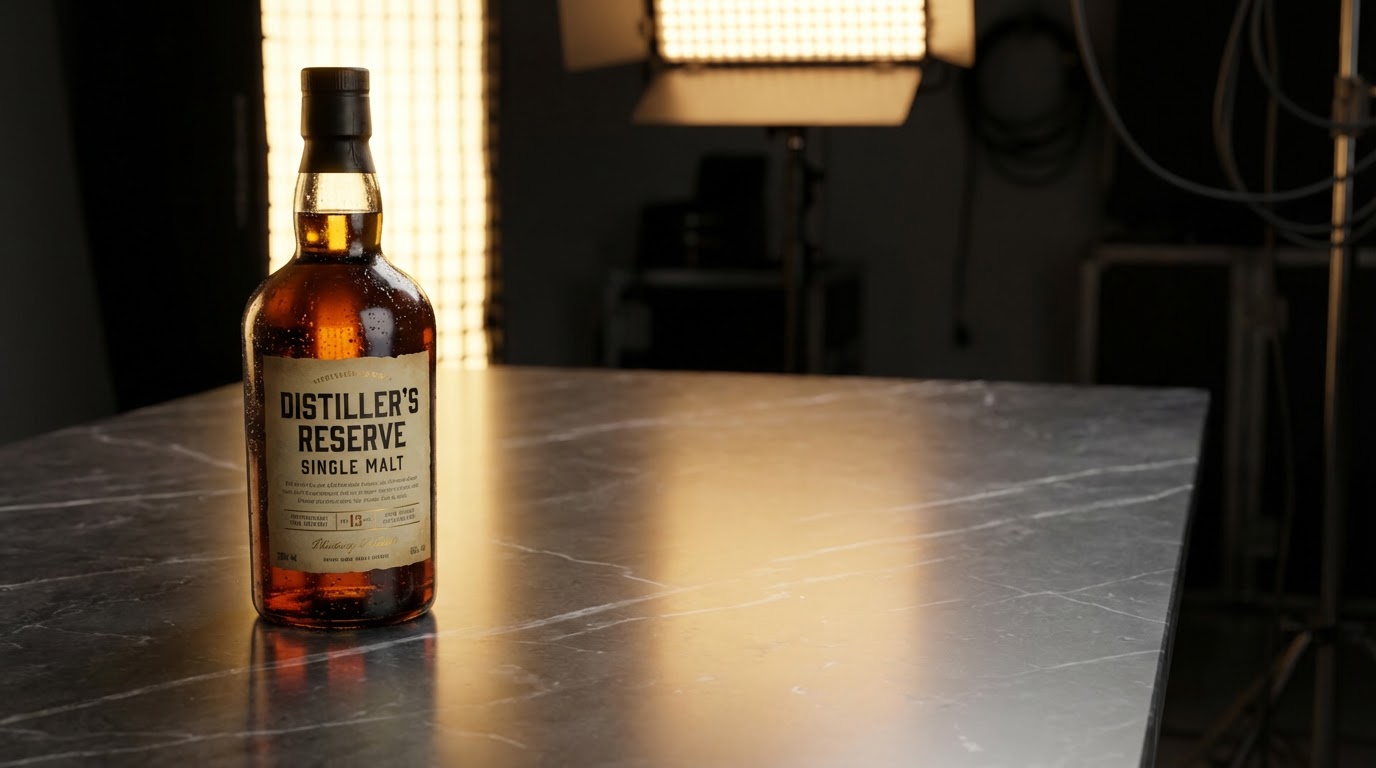
Imagine dividing your frame with two equally spaced horizontal and vertical lines, creating a 3x3 grid. The rule of thirds suggests placing key elements where these lines intersect or along them. This 18th-century painting technique works because our eyes naturally gravitate toward these power points rather than the center. I remember struggling with this concept until I shot a whiskey bottle against a marble backdrop—placing the label at the left intersection made the liquid glow suddenly "pop" in a way centered compositions never achieved.
Pro tip: Enable grid lines in your camera settings. On Canon, it's under Menu > Display settings; for iPhone, go to Settings > Camera > Grid.
Applying the Rule in Different Scenes

Landscape Photography: Horizons That Breathe
Most beginners place horizons dead center—a guaranteed way to make vistas feel static. For seascapes, I position the horizon on the top third line when emphasizing reflections, or the bottom third to showcase dramatic skies. During a Maldives resort shoot, placing the ocean horizon just above the lower grid line made the sunset colors dominate 70% of the frame, creating an irresistible wanderlust effect.
Portraits: The Magic of Negative Space
Centered portraits often feel like mugshots. Instead, position the subject's eyes along the top horizontal line. For profile shots, I leave "looking room" by placing the face at the right or left third. A fashion client once rejected my initial centered shots—when I recomposed using the rule of thirds, leaving space in the direction her model was walking, she immediately approved the series. The images gained 30% more engagement on Instagram too.
When to Break the Rule
Rules are made for breaking—but only intentionally. Symmetrical architecture demands centering. I once shot a perfume bottle with perfect reflective symmetry; placing it at a third would've ruined the hypnotic effect. Macro photography also benefits from centered compositions where the subject fills the frame. That said, I always shoot both ways—centered and rule-of-thirds versions—then compare. About 70% of the time, the thirds version wins, but that 30% exception keeps creativity alive.
What I've learned: If your gut says "this centered shot works," it probably breaks the rule for a good reason—usually symmetry, minimalism, or intentional tension.
Advanced Applications for E-Commerce
Product photography thrives on the rule of thirds. Place the product at one intersection and use diagonals—like a watch face at the lower right third with the strap running diagonally to the upper left. For flat lays, align key items along grid lines with "anchor objects" at intersections. Our Clairlook AI actually suggests rule-of-thirds crops during automated background removal—it's shocking how often the AI's suggested crop outperforms human guesses in A/B tests.
Putting It Into Practice
Start by analyzing 10 photos you love—I bet 8+ use the rule of thirds. Tomorrow, shoot the same subject three ways: centered, poorly composed, and using thirds. The difference will stun you. For existing images, try cropping in post-production. I saved a "failed" jewelry shot by cropping to place the pendant at the upper right intersection—it became the client's best-selling product image. Remember: Composition separates professionals from hobbyists. Master this, and even smartphone photos will look pro.
At Clairlook, we bake composition principles into our AI photography tools because great framing shouldn't require a degree. Whether you're staging virtual backgrounds or removing distractions, let the rule of thirds guide your eye—then trust your instincts when it's time to break free. Now grab your camera and go disrupt some grids.

Comments (0)
Please sign in to leave a comment.